
Slurry Dewatering
From screening to cake: what happens at each stage and why the sequence matters.
The stage you skip is the stage that decides the cake moisture and the cost of moving it.
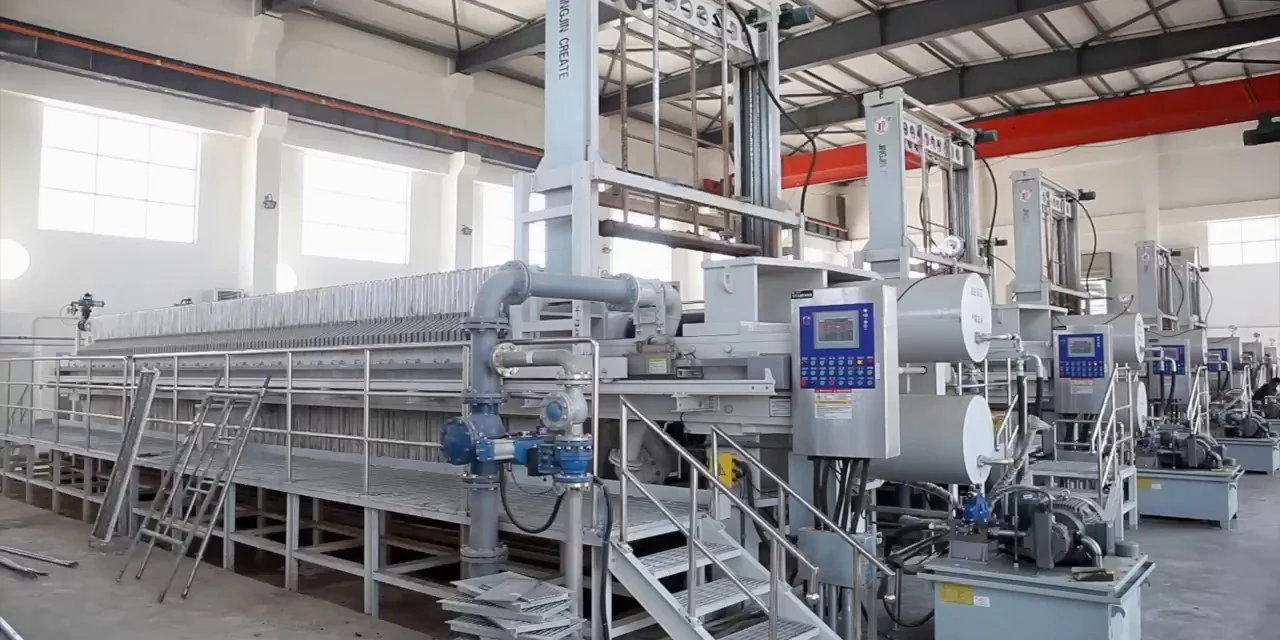
- Stages
- 05
- Typical cake
- 25 – 45 % dry solids
- Filtrate
- Returned to circuit
Why this matters
The stage you skip is the stage that decides the cake moisture and the cost of moving it.
Every stage exists to protect the next one. Screening keeps coarse solids out of the cyclones, desanding takes the sand fraction before it settles in the tank, conditioning makes the fines filterable and the press does the volume reduction. Filtrate goes back to the tank, which is what closes the circuit.
Key engineering points
-
Screening first
Coarse material that reaches the cyclones or the press has to be removed by hand later.
-
The water balance sets the plant size
Filtrate returning to the circuit is what keeps the make-up tank small.
-
Redundancy where it matters
Feed pumps and dosing run duty/standby so the drive does not stop for maintenance.
Process flow
The stages below are the standard DELIAN sequence — the same sequence drawn as a rail and explained stage by stage.
- 01ScreeningRemove coarse solids before the slurry enters the separation circuit.
- 02DesandingRecover the sand fraction with hydrocyclones and a sand screw.
- 03ConditioningDose flocculant and mix so the fines can be filtered.
- 04Filter pressDewater the conditioned slurry in the filter press.
- 05Water recoveryReturn clear filtrate to the slurry circuit.
- 01
Screening
Remove coarse solids before the slurry enters the separation circuit.
- 02
Desanding
Recover the sand fraction with hydrocyclones and a sand screw.
- 03
Conditioning
Dose flocculant and mix so the fines can be filtered.
- 04
Filter press
Dewater the conditioned slurry in the filter press.
- 05
Water recovery
Return clear filtrate to the slurry circuit.
Related equipment
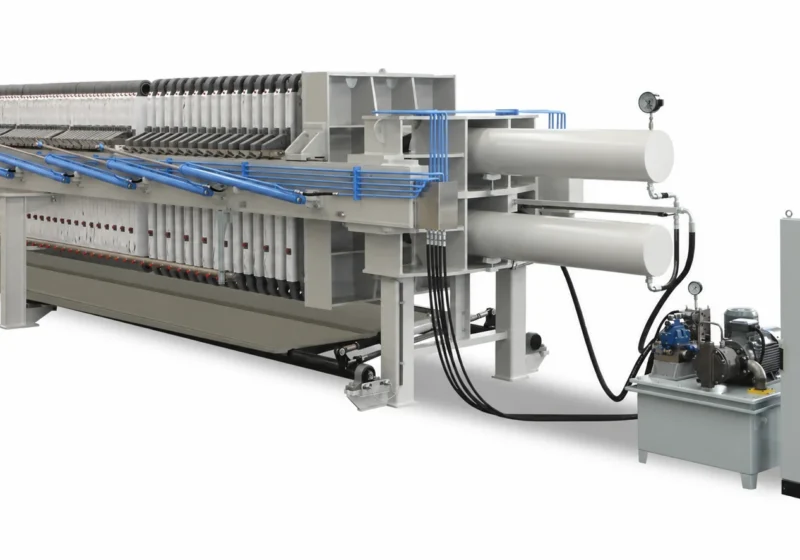
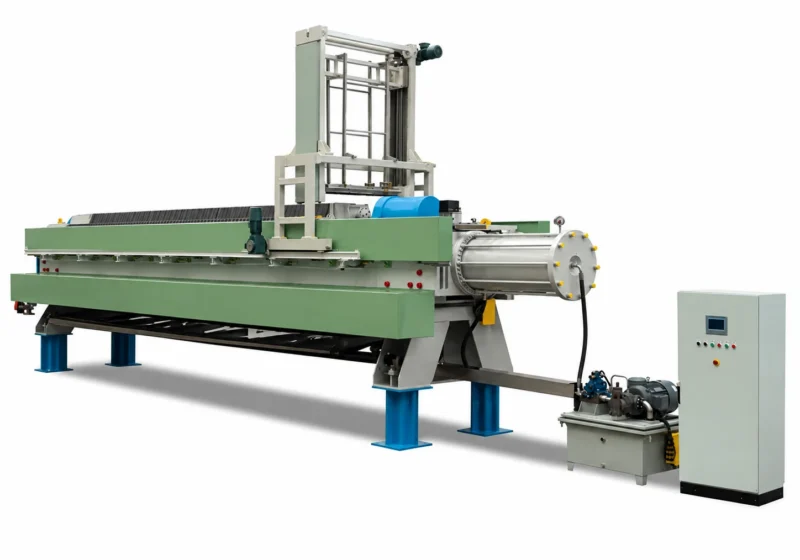
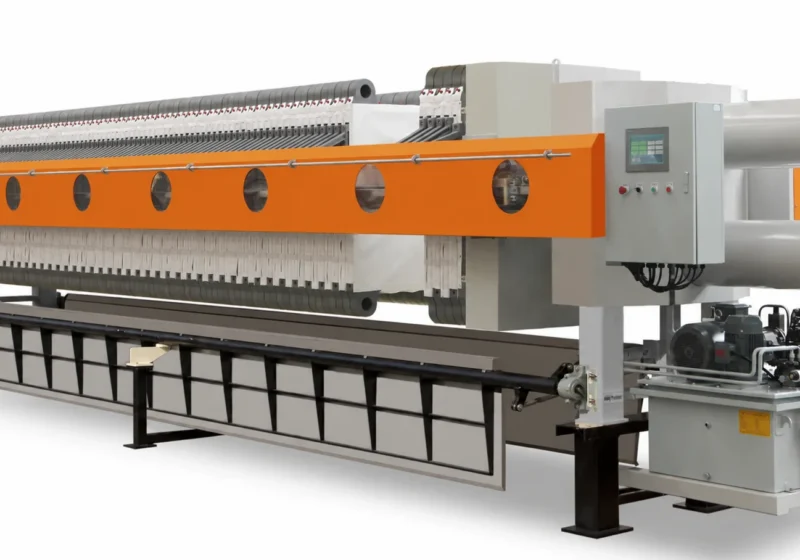
Where this is applied
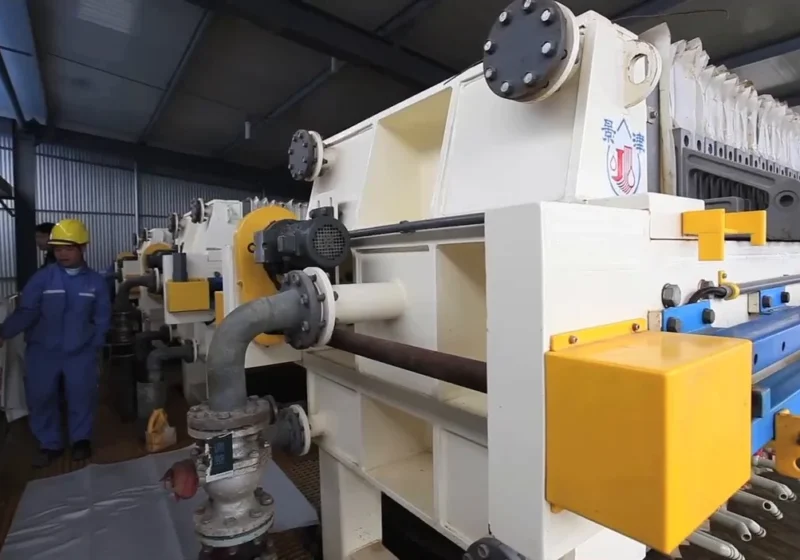
Industrial Sludge Dewatering
Process and wastewater sludge dewatering, with the filtration cycle matched to the sludge chemistry.
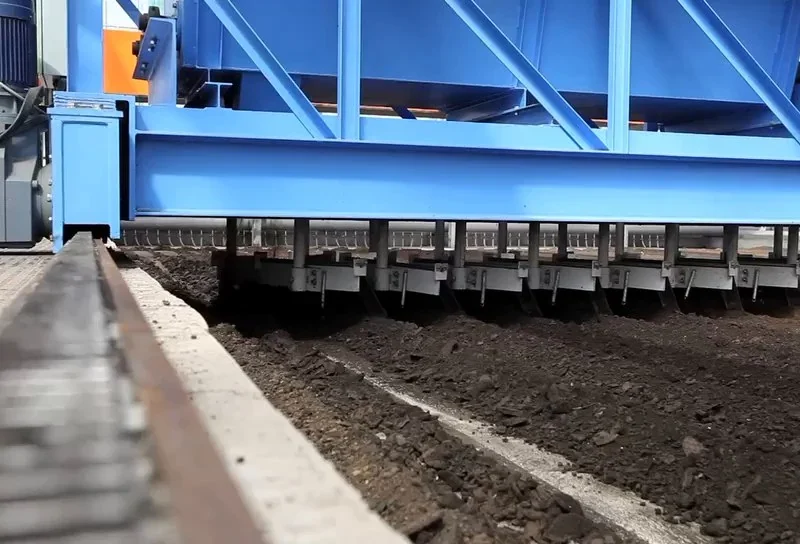
Construction Sludge Dewatering
Excavation, diaphragm wall and wash-water sludge, reduced to a transportable cake.
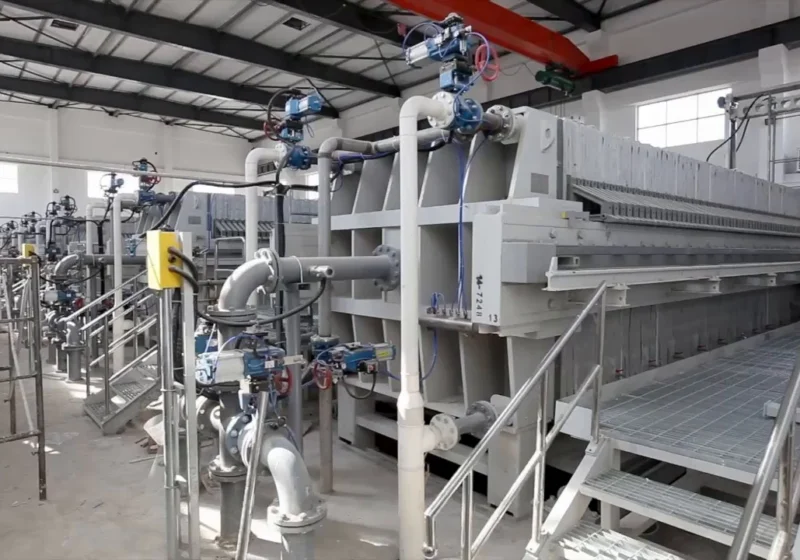
Bentonite Slurry Dewatering
Turning spent bentonite suspensions into stackable cake and reusable water.
Frequently asked questions
Each stage protects the next one: screening protects the cyclones, desanding protects the press, conditioning makes filtration possible.
The volume of slurry per shift and the dry solids the cake has to reach.
Tell us about your slurry
Every slurry is different. Send us your slurry characteristics and project requirements so our engineering team can evaluate a suitable dewatering solution.
Slurry Dewatering
Tell us about your slurry
Every slurry is different. Send us your slurry characteristics and project requirements so our engineering team can evaluate a suitable dewatering solution.
- Process evaluation based on real slurry data
- Equipment and layout proposal for your capacity
- Cake moisture and water recovery targets
- [email protected]
- Phone
- +86 139 0534 1263