Industrial Sludge Dewatering
Process and wastewater sludge dewatering, with the filtration cycle matched to the sludge chemistry.
Automated filtration cycles for continuous industrial operation.
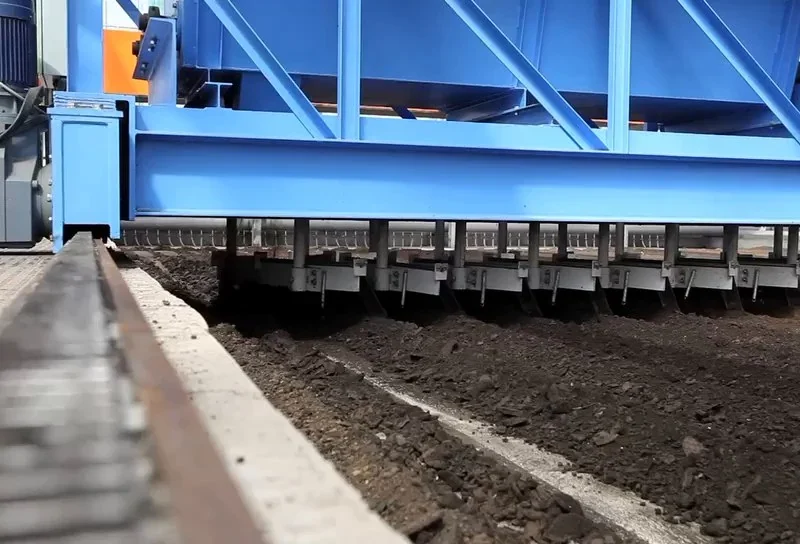
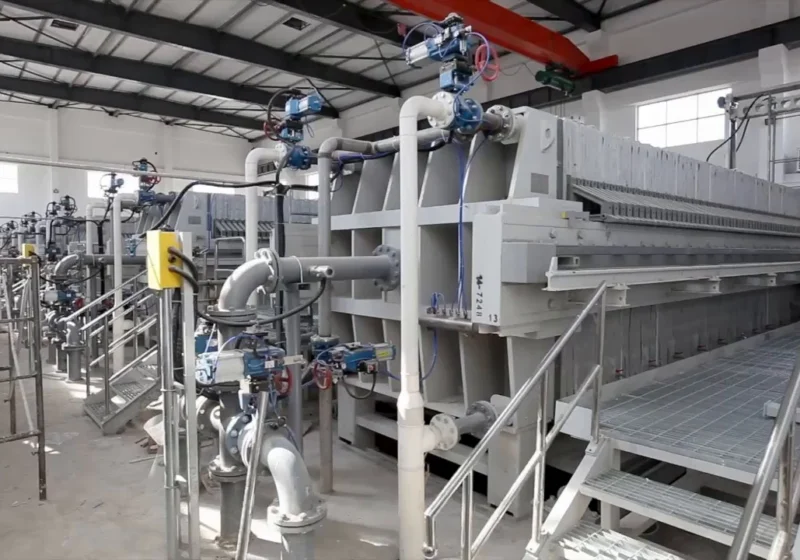
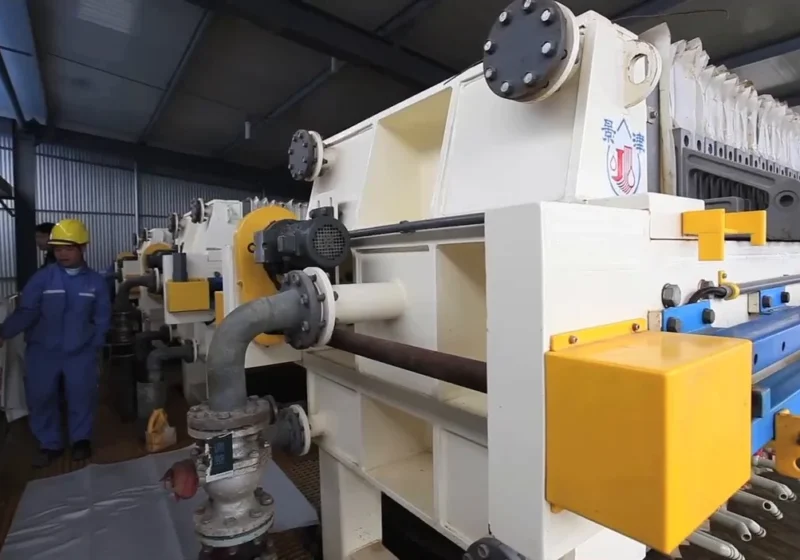
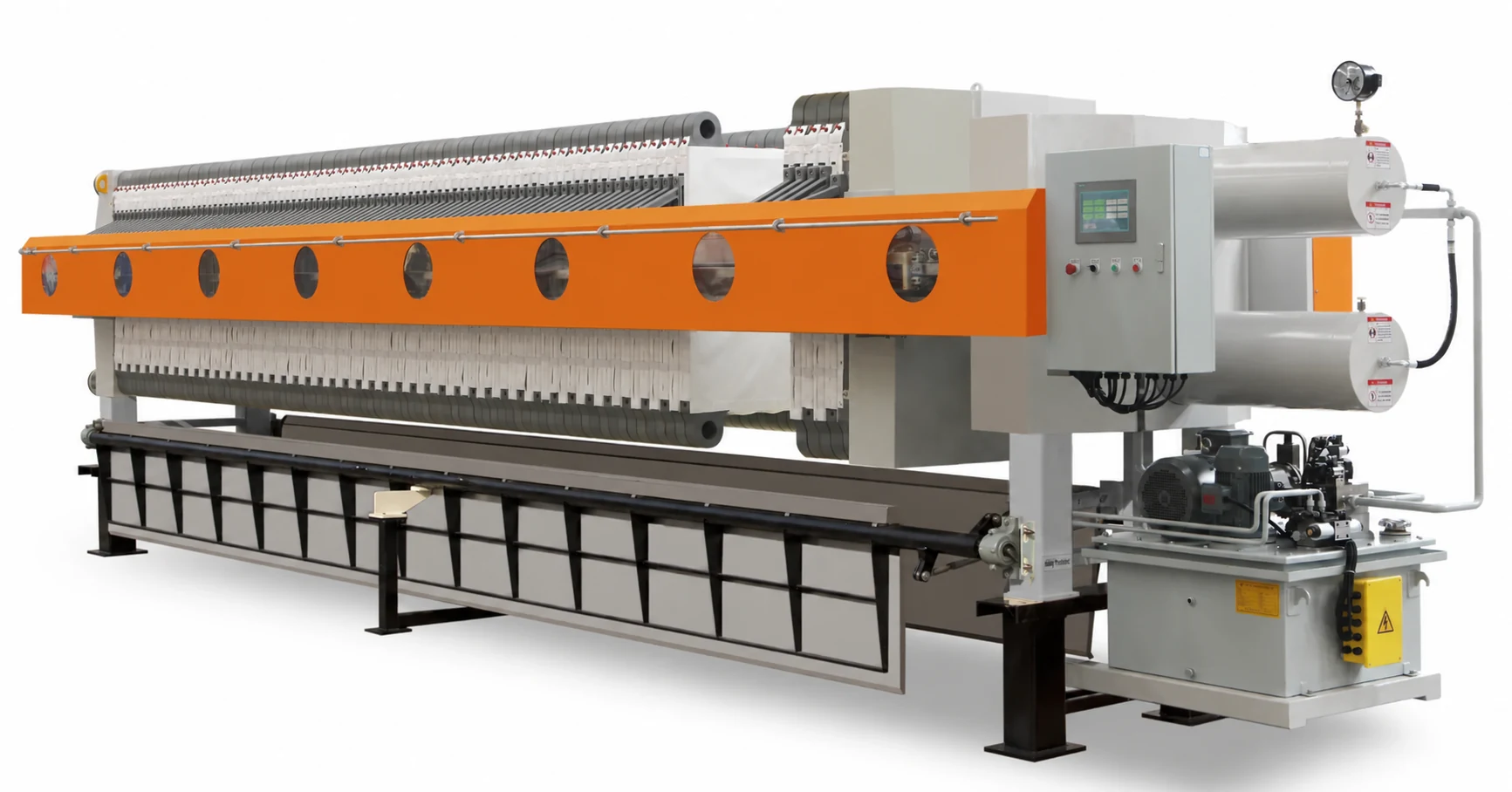
The cycle runs itself: feed, filtration, plate shifting, cake discharge and cloth washing, with one operator covering the plant.
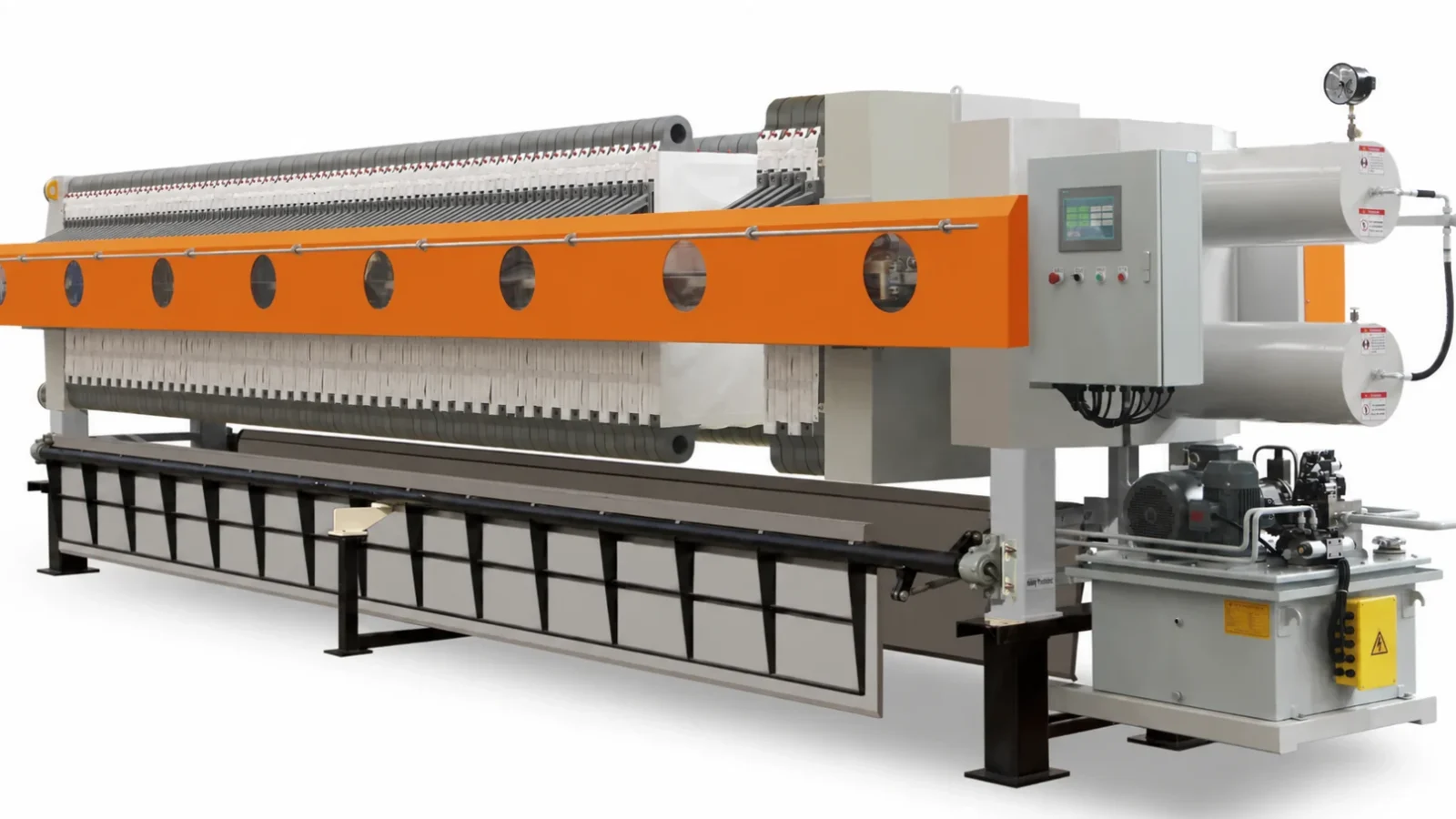
An automatic press runs the cycle from a program instead of from an operator walking the plate stack. Feed, filtration, plate shifting, discharge and cloth washing follow a sequence timed from the filtration test.
The point is not only labor: a repeatable cycle gives repeatable cake moisture, which is what a plant treating sludge around the clock actually needs.
One recipe per sludge; the cycle repeats without an operator on the platform.
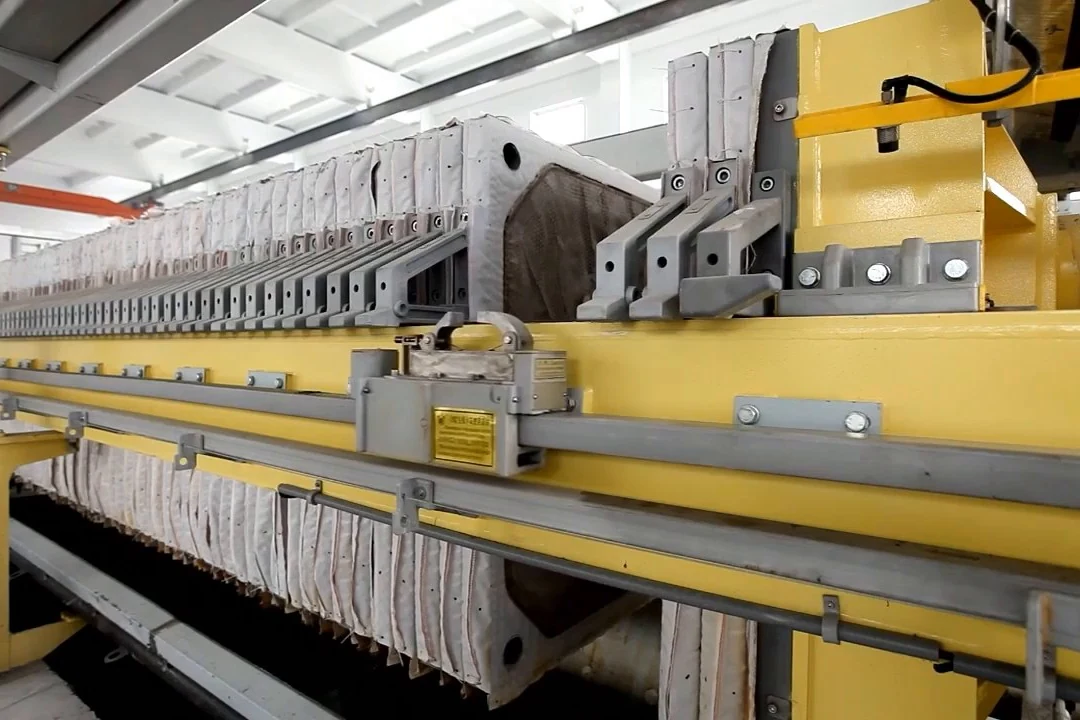
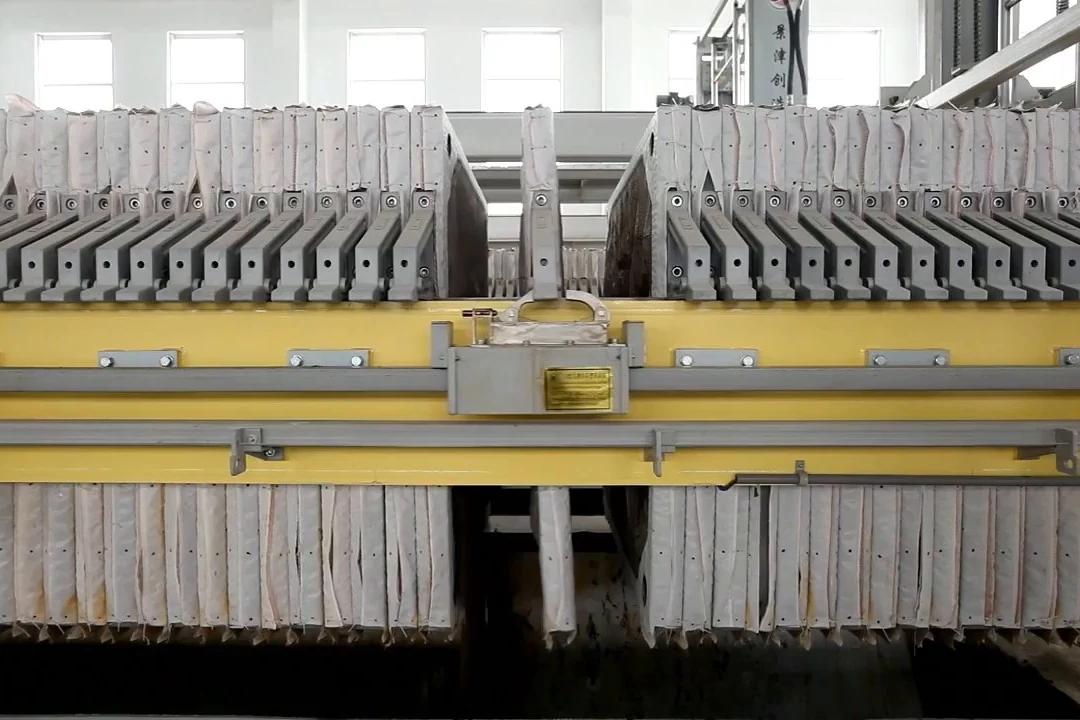
The plate mover walks the stack at the speed the cake needs.
Washing runs as part of the cycle where the sludge blinds the cloth.
Controls and alarms are arranged for a plant with several presses.
For low-throughput sites or where the press runs a short shift.
Motorised plate shifting with local control of the cycle.
Programmed sequence for continuous operation and one-man plants.
Press, pump, dosing and control room inside a sea container for quick site moves.
Membrane plates on the same frame where higher dry solids are needed.
Cloth washing, drip trays and bunded skid for urban sites.
Typical range for this class of equipment — the figures for your unit are fixed in the quotation.
| Filtration area | 10 – 200 m² |
|---|---|
| Plate size | 1000 × 1000 mm · 1250 × 1250 mm on request |
| Filtration pressure | 0.6 – 1.6 MPa |
| Cycle time | 20 – 60 min |
| Automation level | Automatic plate shifting and cake discharge |
| Control system | PLC with HMI and remote diagnostics |
| Cloth washing | Integrated, programmable |
| Installed power | 11 – 45 kW |
| Weight (empty) | 5 – 28 t |
| Footprint | roughly 6 × 2.5 m per unit |
| Filter cake | Discharged to a skip or conveyor; dry solids depend on the slurry and the cycle. |
| Filtrate | Clear enough to return to the slurry tank; the reuse point sets the clarity target. |
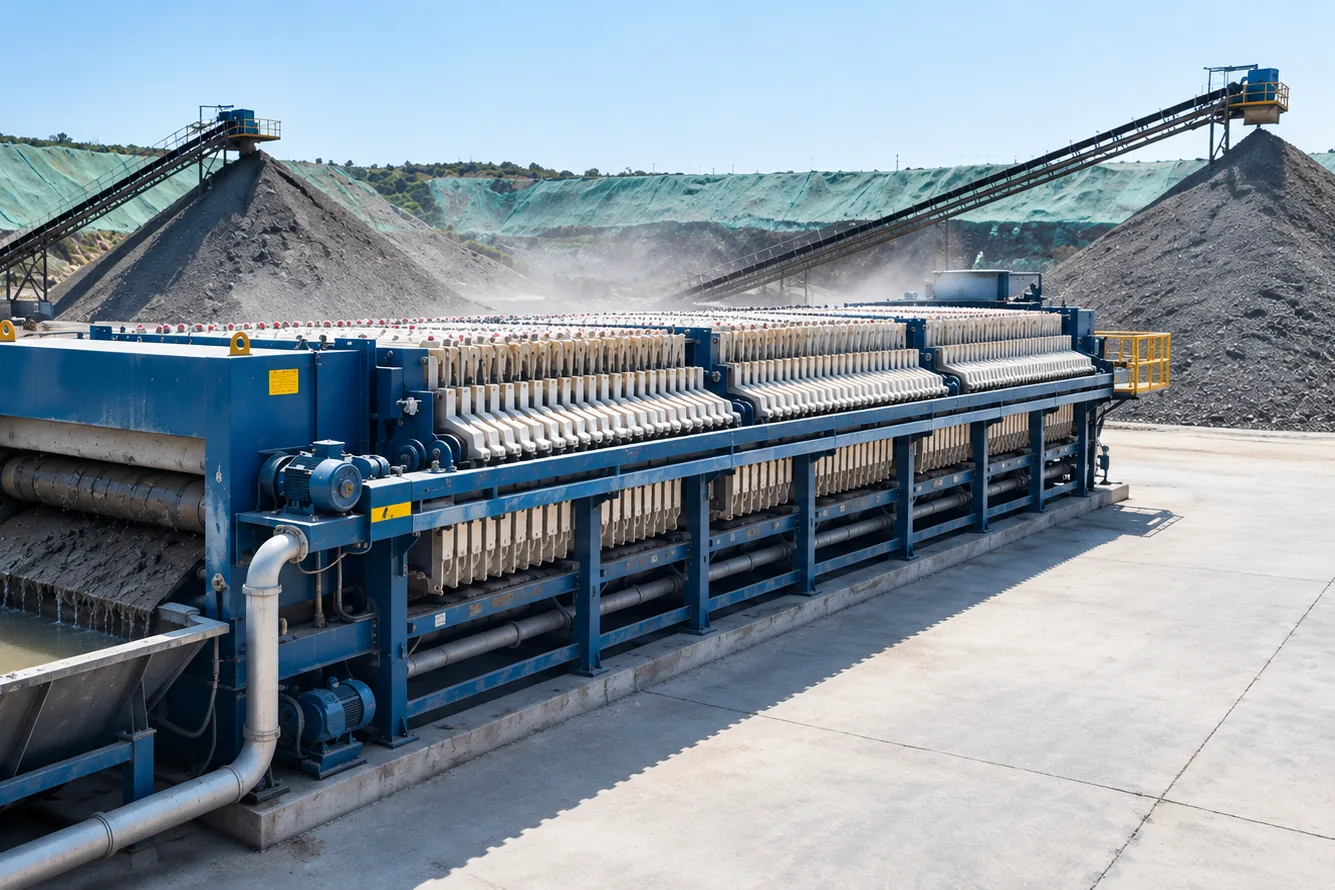
Process and wastewater sludge dewatering, with the filtration cycle matched to the sludge chemistry.
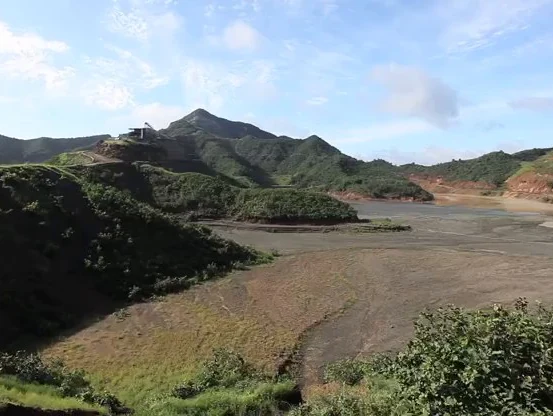
Excavation, diaphragm wall and wash-water sludge, reduced to a transportable cake.
Turning spent bentonite suspensions into stackable cake and reusable water.
Usually two to three automatic presses per shift, once the recipe for each sludge has been set.
Often yes — the frame and closing unit stay, the plate mover and controls change.
A level foundation or skid, three-phase power, water for cloth washing and a place to put the cake.
Every slurry is different. Send us your slurry characteristics and project requirements so our engineering team can evaluate a suitable dewatering solution.
Automatic Filter Press
Every slurry is different. Send us your slurry characteristics and project requirements so our engineering team can evaluate a suitable dewatering solution.